
About
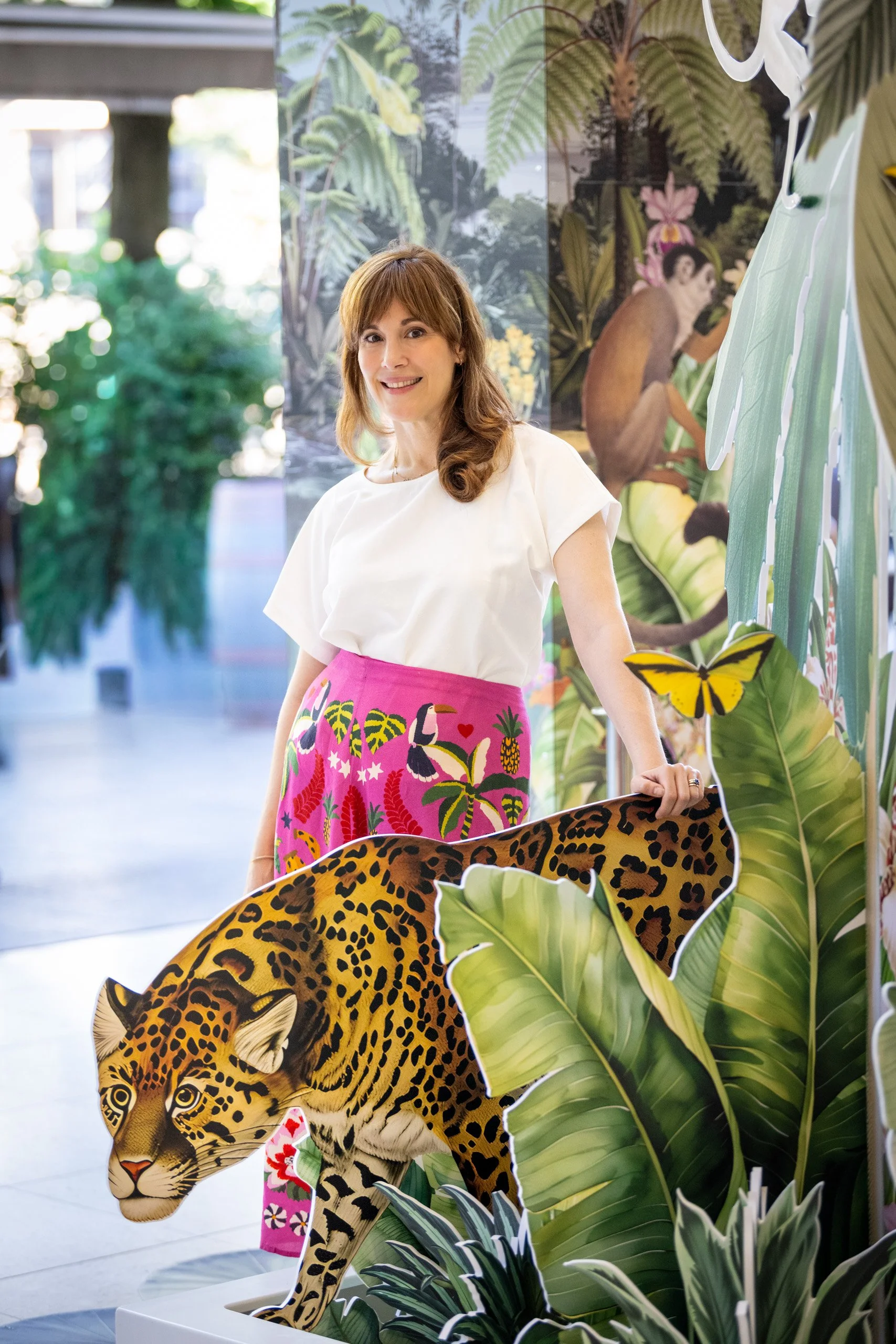
Clare Celeste Börsch is a German-American artist based in Berlin, whose artworks and installations have been exhibited at Homo Faber in Venice and the American Museum of Natural History in New York, commissioned by Cartier during Art Basel Miami, and featured in The Guardian, FAZ, Harper’s and Elle. She is the 2027 Martin Shallenberger Artist-in-Residence at Cheekwood Estate & Gardens.
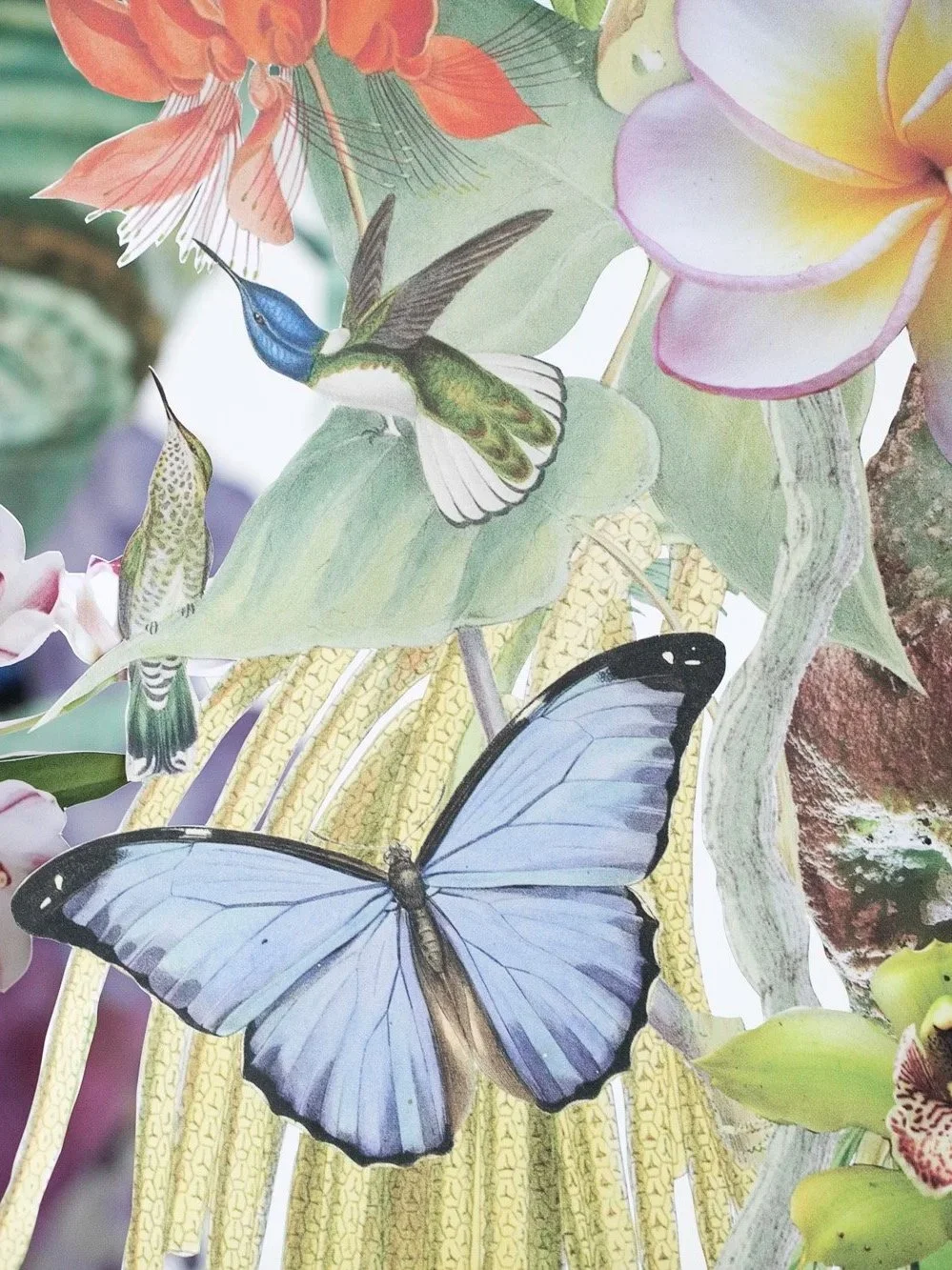
Börsch celebrates biodiversity in a time of mass extinction, holding the tension between exaltation and mourning. She works with natural history plates from the 1800s, sourced from the Biodiversity Heritage Library, to bring endangered and extinct species into focus. These images carry a double history: they record the beauty of the living world, but they were also made in the service of colonial expeditions and extraction. Raised in Brazil and now based in Europe, Börsch works within this duality, using the colonial record to question how we value, relate to and exploit the natural world. Her practice is grounded in the concept of viriditas: transforming ecological grief and imagination into a call for conservation.
Selected Exhibitions
2028 – Restorying, Skopje 2028 European Capital of Culture, Natural History Museum of North Macedonia
2027 – Martin Shallenberger Artist-in-Residence, Cheekwood Estate & Gardens, Nashville
2027 – Public commission, NYC School Construction Authority Percent for Art, Brooklyn
2026 – An Island of Light, Homo Faber, Fondazione Giorgio Cini, Venice
2026 – Viriditas, Kunsttage Winningen
2026 – Papier perFormt, Galerie Handwerk, Munich
2025 – Web of Life, in Impact, American Museum of Natural History, New York
2025 – Into the Wild, commission for Cartier, Miami
2025 – Incandescence: The Chandelier in Contemporary Art, CUNY, New York
2024 – SichtbarSEIN, Embassy of Mexico, Berlin
2021 – Making Paradise, Aga Khan Centre, London
About the Studio
Alongside her studio practice, Börsch is the creative director of Clare Celeste Studio, creating site-specific installations for museums, cultural institutions, public spaces and luxury houses, bringing the abundance of the natural world into unexpected settings. Each project is directed by Börsch and realised by Clare Celeste Studio, her team of assistants and production partners, delivering ambitious large-scale work worldwide.
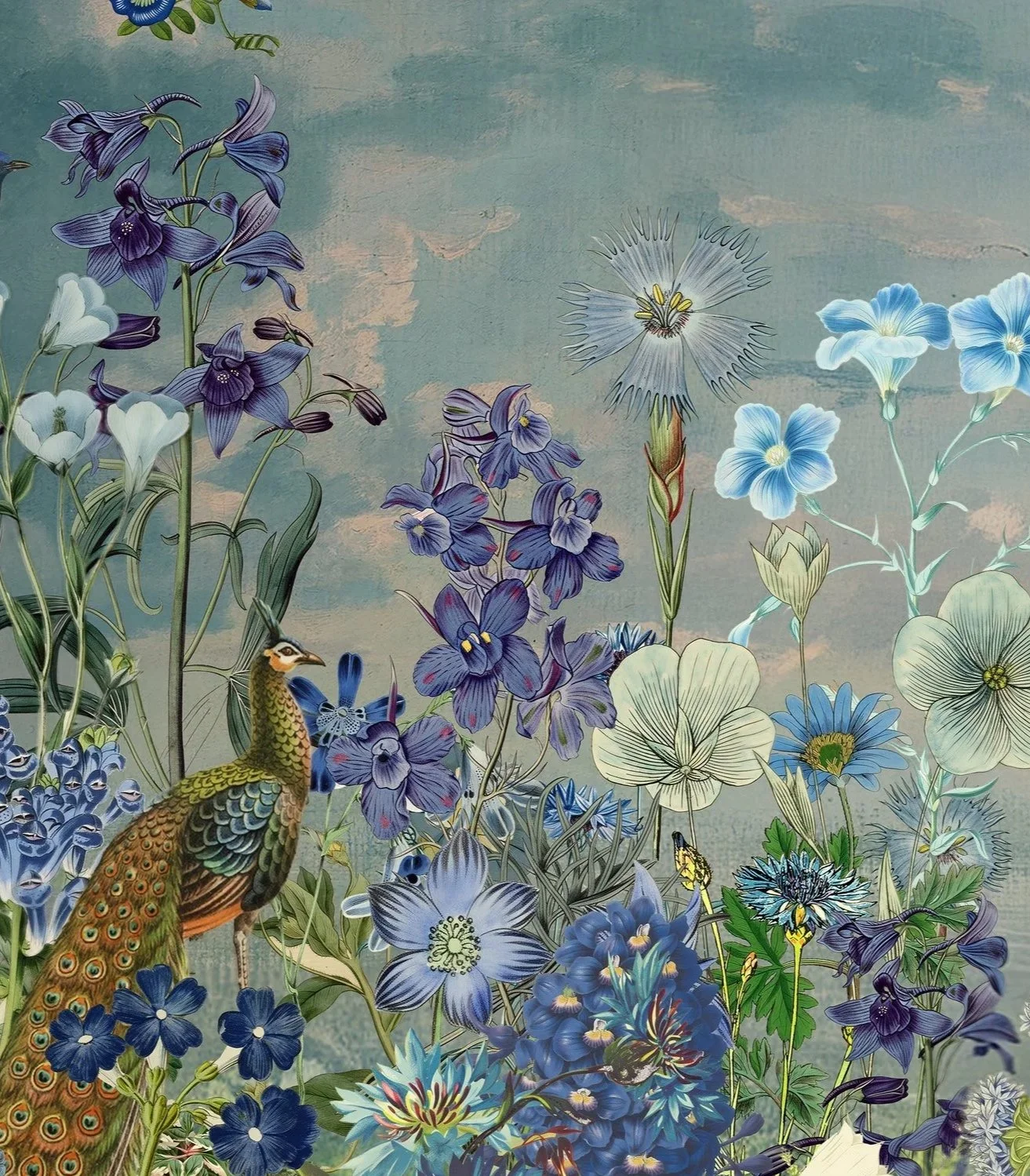
The studio specializes in:
- Large-scale immersive environments
- Site-specific installations
- Bespoke commissioned projects
- Museum and exhibition installations
- Luxury brand experiences
- Public and architectural art
Selected Clients: Cartier | American Museum of Natural History | Greenpeace | Mexican Embassy Berlin | Chanel | Scope Art Fair Miami | Ashley | Crate and Barrel | Pittsburgh Children's Museum | New York Magazine
Featured In: The Guardian | Harper's Bazaar | ELLE Magazine | Artnet | Oprah Magazine | My Modern Met | This is Colossal | The Jealous Curator | Beautiful/Bizarre | Deutsche Welle
A universal language of abundance and connection
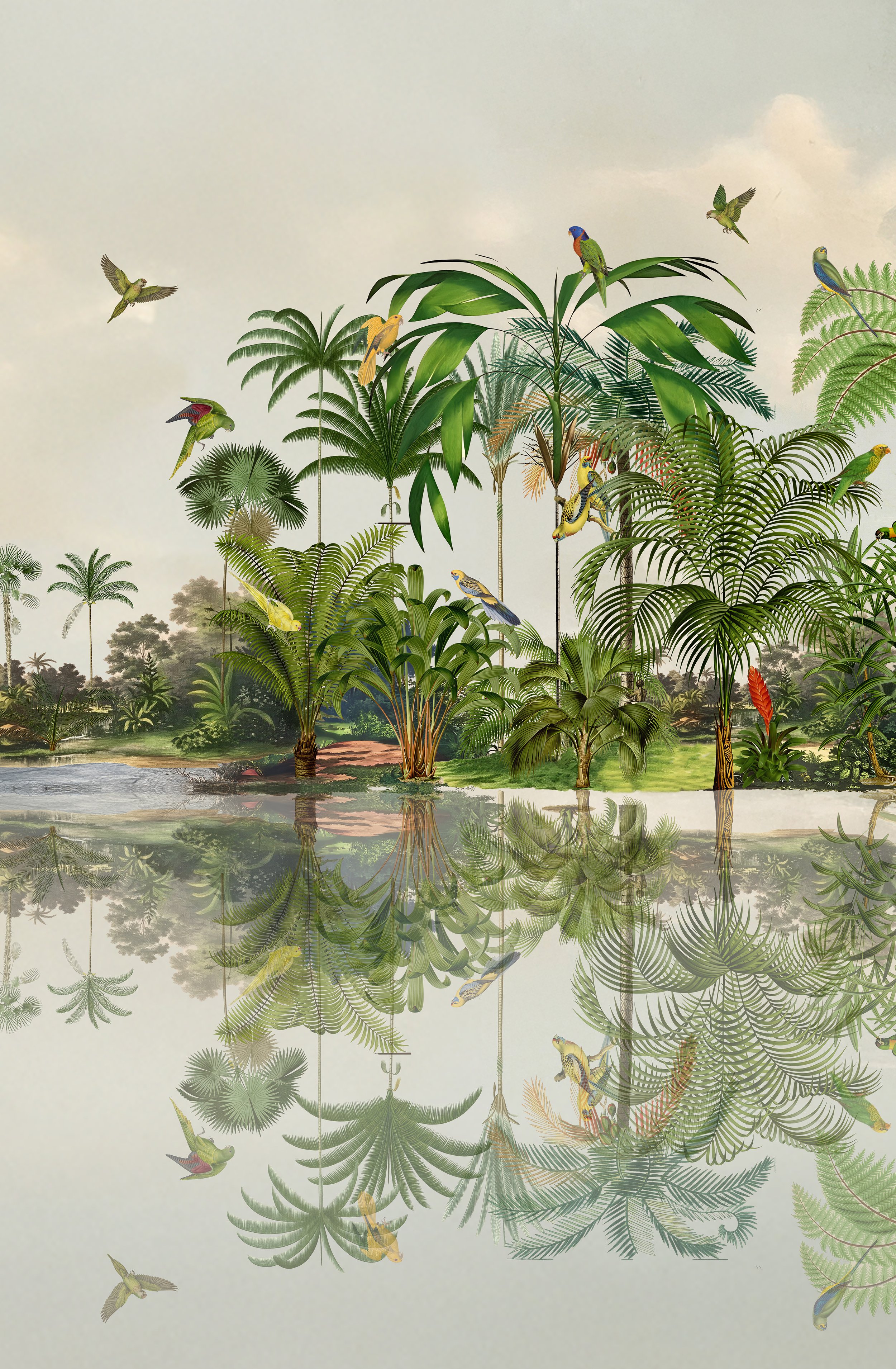
Across cultures and millennia, people have responded to the abundance of the natural world. Börsch’s installations draw on that response, bringing the richness of living ecosystems into flagship stores, museums, cultural venues and public spaces.
In an increasingly digital world, audiences seek experiences that feel organic, expansive and alive. Rooted in research and handcraft, each commission brings a story of biodiversity and conservation into its setting, creating environments with lasting cultural resonance.
What audiences connect to emotionally, they remember. What they remember, they value.
Each project is directed by Börsch and realised by Clare Celeste Studio, together with her team of assistants and production partners.
About Clare Celeste
Börsch was born in Thailand and grew up across Brazil, the United States, Italy, Honduras and Argentina. Her earliest memories are of Brazil and its lush, humming ecosystems: the ocean, the rivers, the rainforest, and the electric blue of Morpho butterflies. Today, research shows that same blue fading as forests are cleared and biodiversity dwindles. Her recent work turns to the Morpho as a symbol of beauty, resilience and loss.
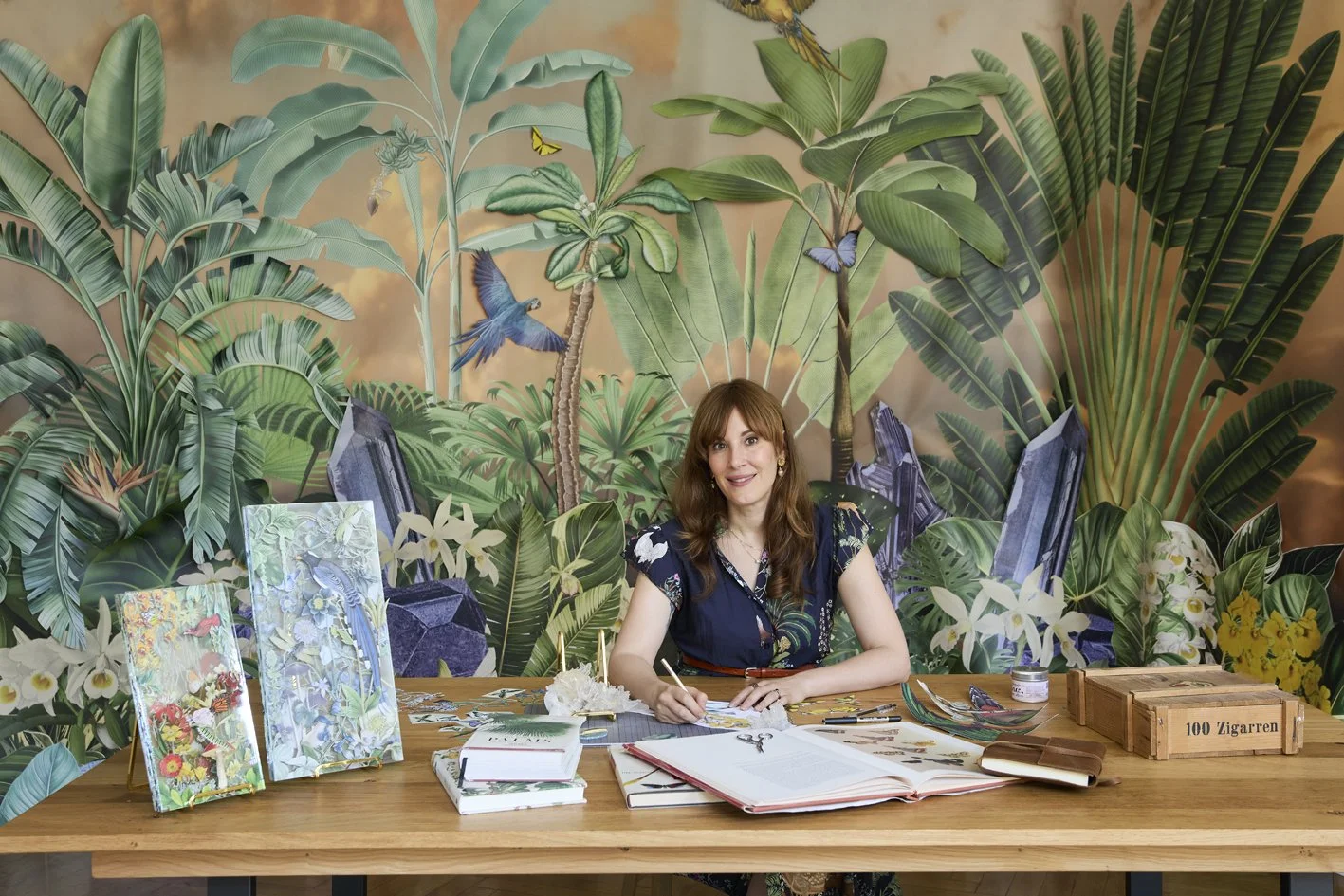
She came to art by a long route. She studied cultural anthropology, focusing on Latin America through a postcolonial lens, and then environmental policy at UCLA. She went on to work in U.S. federal government and public arts administration. That background shapes a practice that is as much about research and questioning as it is about craft, asking how we relate to the natural world and what we choose to protect.
Now based in Europe, close to the archives where so much of the world’s natural history was gathered, Börsch works with these images and their troubled past. Cutting them apart by hand and rebuilding them is her way of looking again, and of giving them new meaning.
At the scale of installation, this becomes immersive: environments that bring the richness of the natural world into unexpected contexts, inviting wonder, connection and renewed curiosity about the living world.