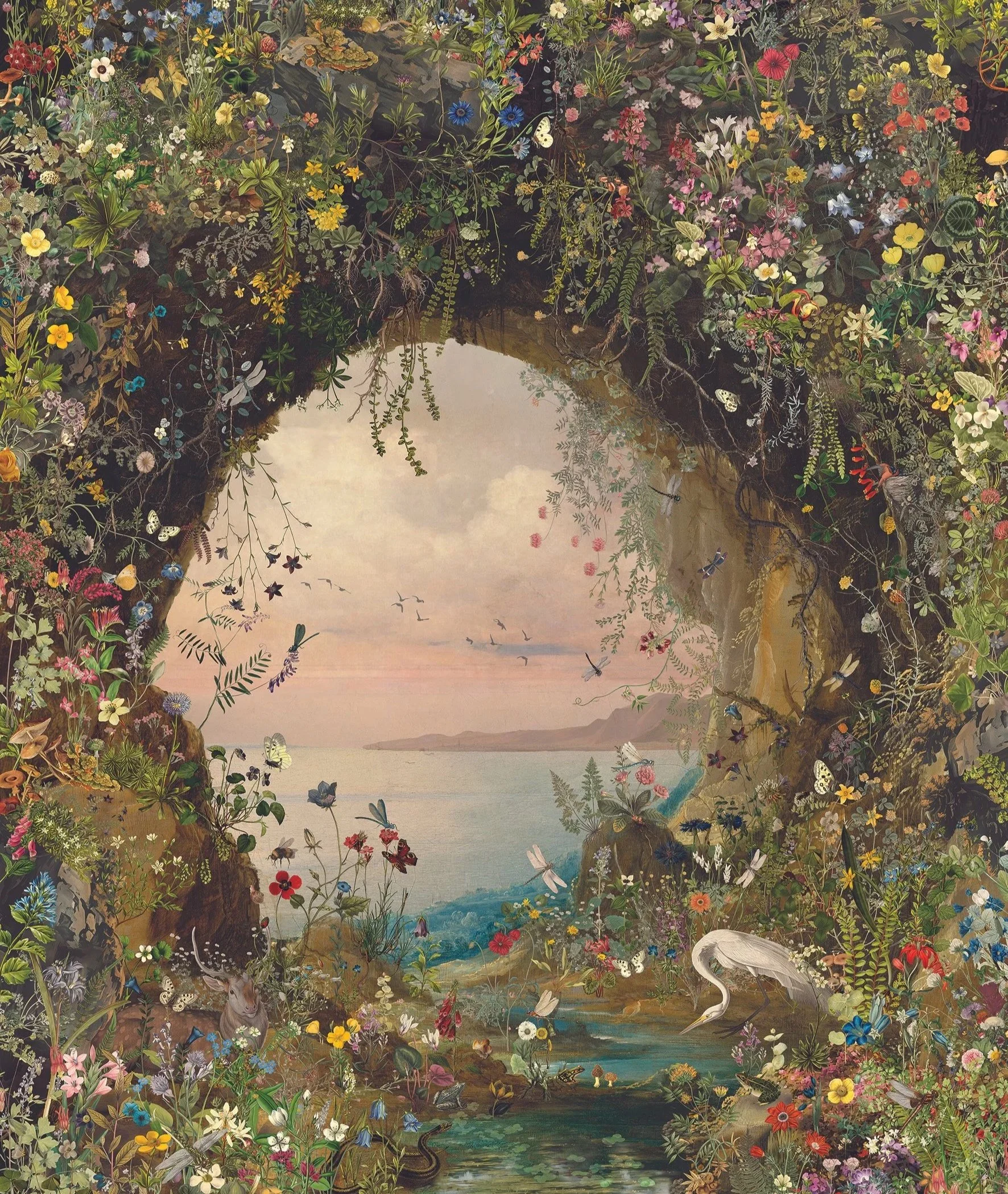
Die Portal-Serie
An der Schwelle. Audio, Essays und Gedichte erwarten dich.
Scroll nach unten
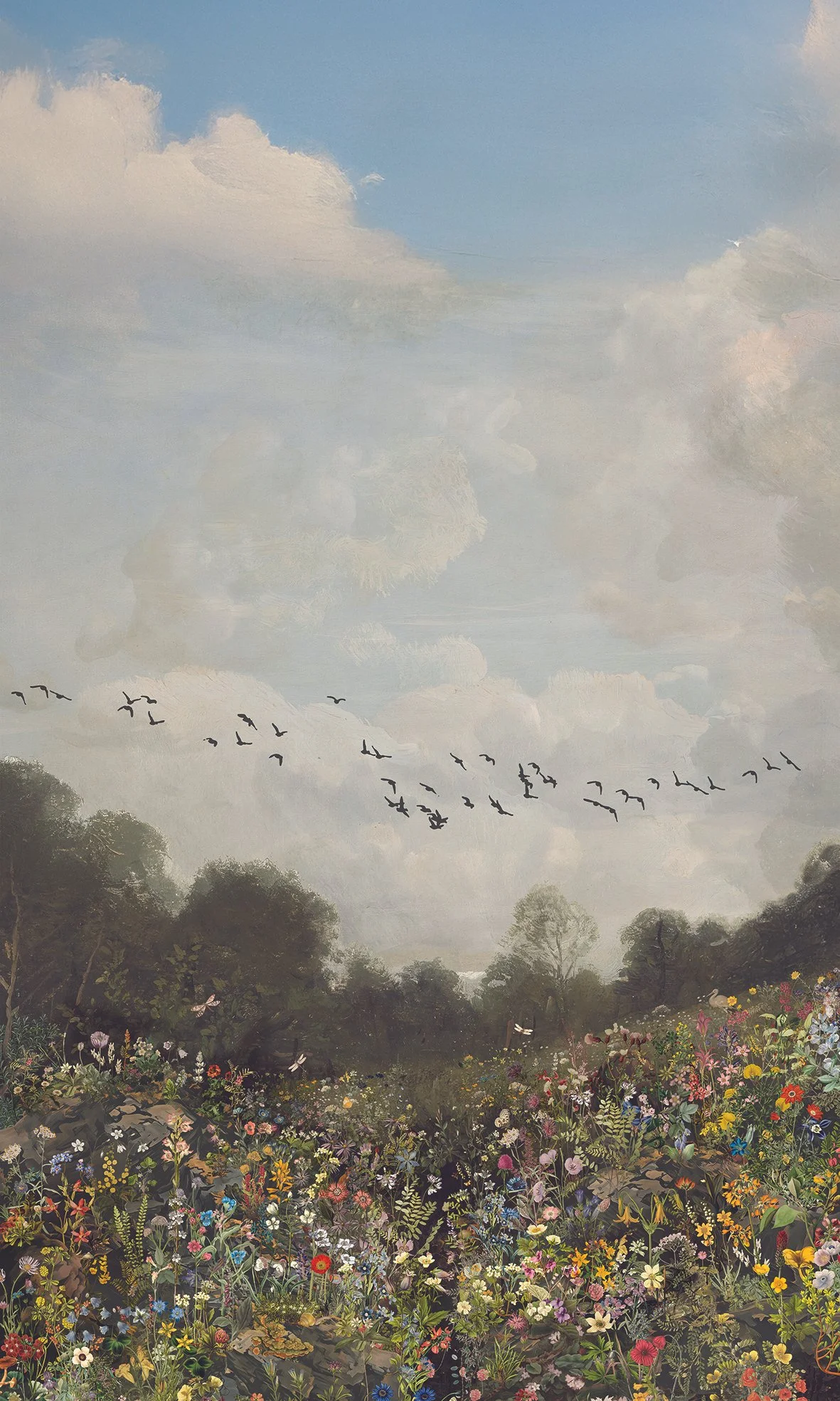
O nobilissima viriditas
O nobilissima viriditas,
quae radicas in sole
et quae in candida serenitate
luces in rota
quam nulla carnalis excellentia
comprehendit
tu es circumdata
in amplexibus divinorum ministeriorum,
tu rubes ut aurora
et ardes ut solis flamma.
Hildegard von Bingen, 12. Jahrhundert
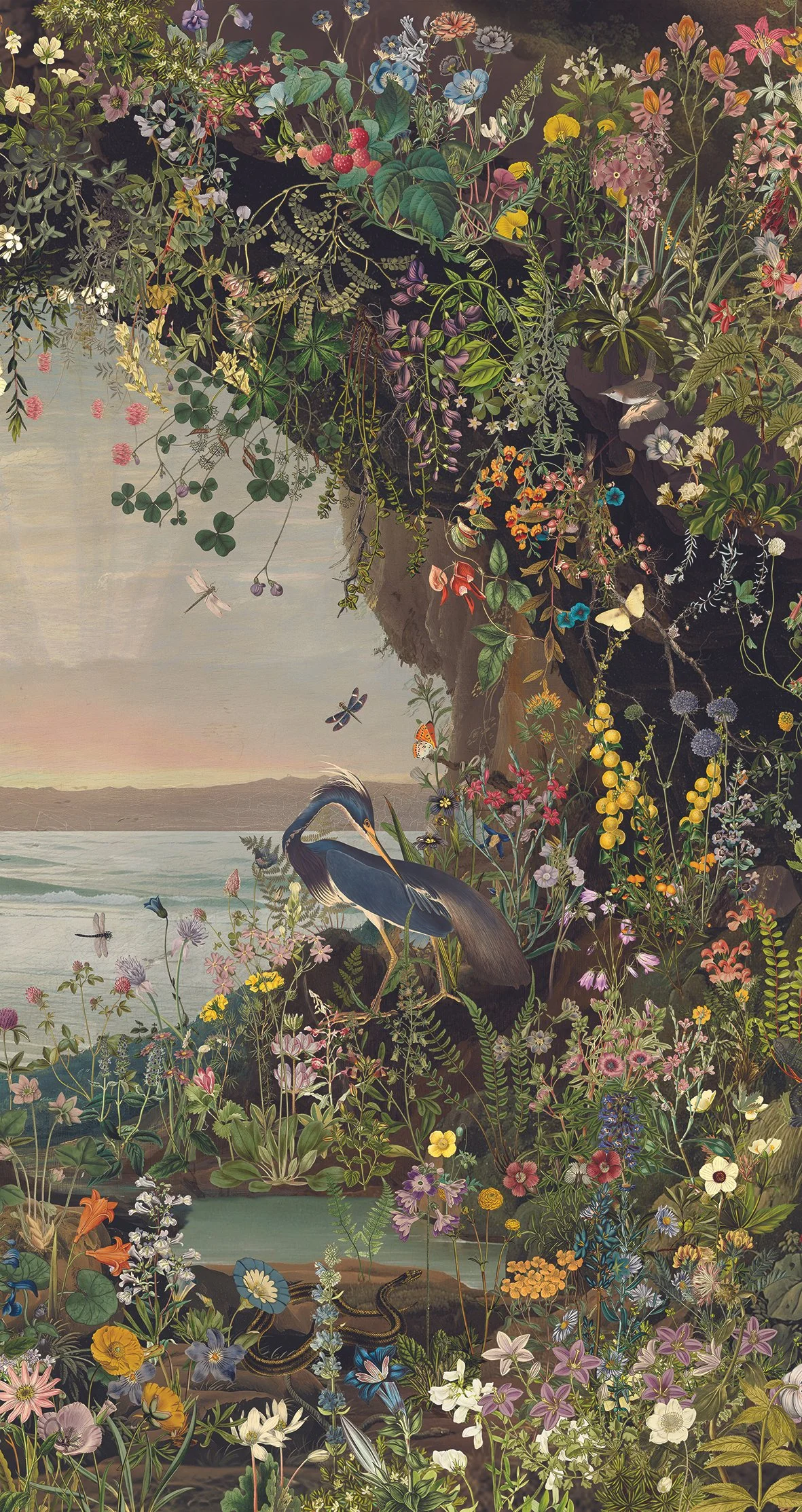
No Coward Soul Is Mine
Emily Brontë, 1846
No coward soul is mine,
No trembler in the world's storm-troubled sphere:
I see Heaven's glories shine,
And faith shines equal, arming me from fear.
O God within my breast,
Almighty, ever-present Deity!
Life — that in me has rest,
As I — undying Life — have power in Thee!
Vain are the thousand creeds
That move men's hearts: unutterably vain;
Worthless as withered weeds,
Or idlest froth amid the boundless main,
To waken doubt in one
Holding so fast by Thine infinity;
So surely anchored on
The steadfast rock of immortality.
With wide-embracing love
Thy Spirit animates eternal years,
Pervades and broods above,
Changes, sustains, dissolves, creates, and rears.
Though earth and man were gone,
And suns and universes ceased to be,
And Thou were left alone,
Every existence would exist in Thee.
There is not room for Death,
Nor atom that his might could render void:
Thou — Thou art Being and Breath,
And what Thou art may never be destroyed.
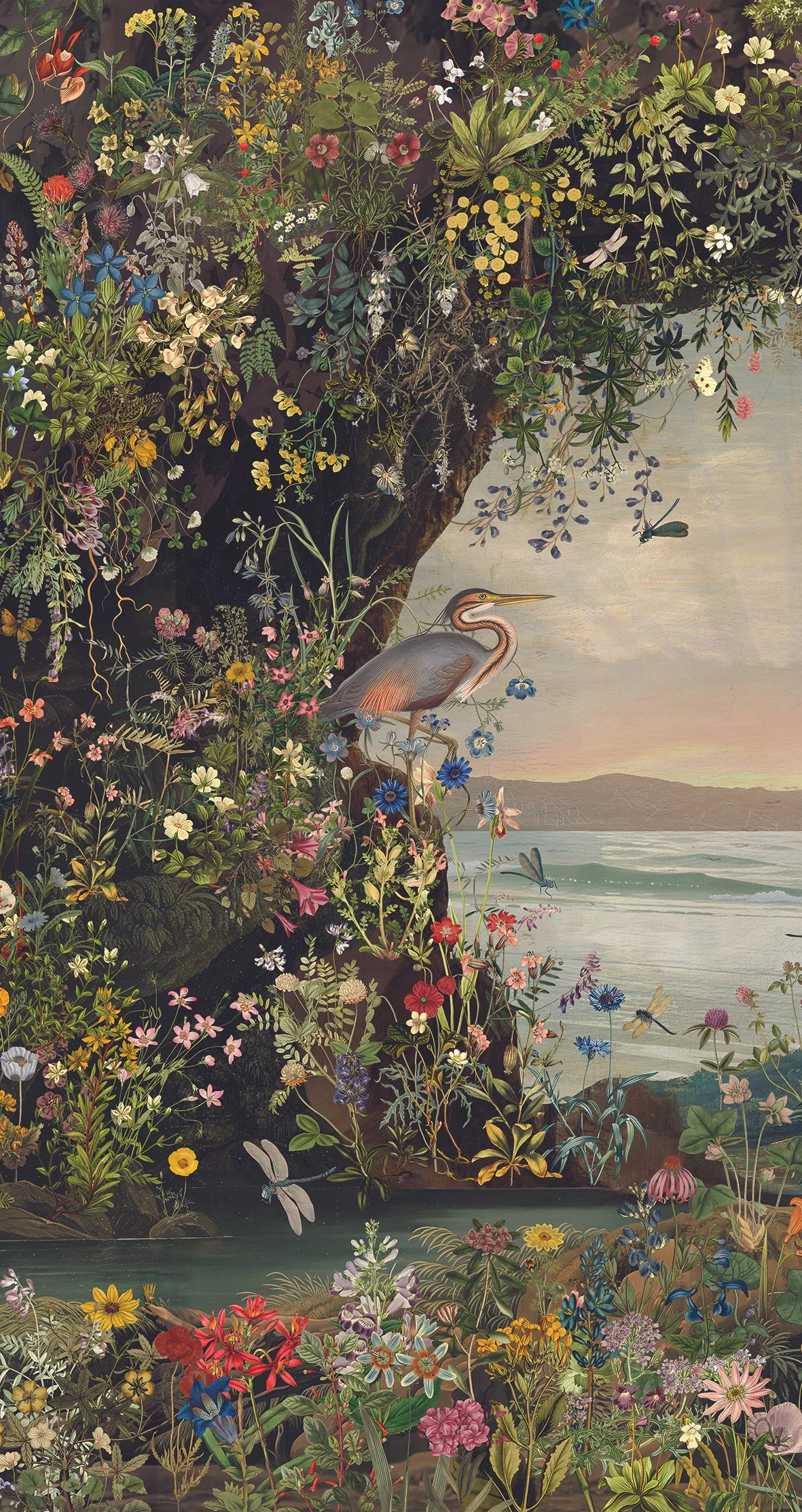
Ode to a Nightingale
John Keats, 1819 (excerpt)
My heart aches, and a drowsy numbness pains
My sense, as though of hemlock I had drunk,
Or emptied some dull opiate to the drains
One minute past, and Lethe-wards had sunk:
’Tis not through envy of thy happy lot,
But being too happy in thine happiness,—
That thou, light-winged Dryad of the trees,
In some melodious plot
Of beechen green, and shadows numberless,
Singest of summer in full-throated ease.
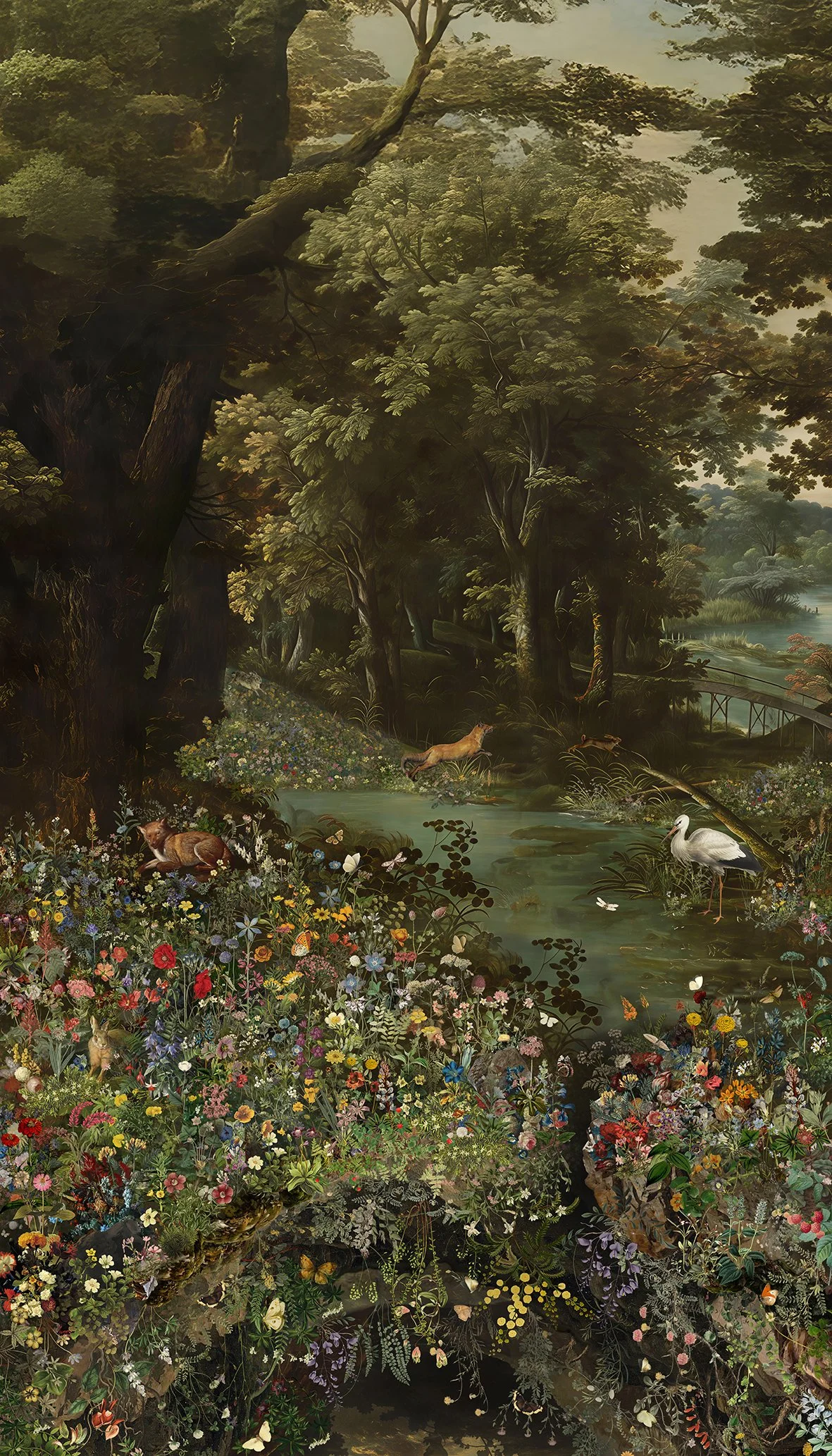
from Song of Myself
Walt Whitman, 1855 (excerpt)
A child said, What is the grass? fetching it to me with full hands;
How could I answer the child? I do not know what it is any more than he.
I guess it must be the flag of my disposition, out of hopeful green stuff woven.
Or I guess it is the handkerchief of the Lord,
A scented gift and remembrancer designedly dropped,
Bearing the owner's name someway in the corners, that we may see and remark, and say Whose?
Or I guess the grass is itself a child, the produced babe of the vegetation…
And now it seems to me the beautiful uncut hair of graves.
The smallest sprout shows there is really no death,
And if ever there was it led forward life, and does not wait at the end to arrest it,
And ceas'd the moment life appear'd.
Audio (Deutsch)
Wir beginnen an der Schwelle.
Nicht die Schwelle als Architektur — nicht Holz oder Eisen oder Glas. Sondern die Schwelle als Gefühl. Dieses Schauder des Im-Rahmen-Stehens vor der Überquerung. Der angehaltene Atem. Der Moment, in dem man noch in einer Welt ist, und die andere bereits gegen einen atmet.
John O'Donohue, der irische Philosoph und Dichter, schrieb, dass eine Schwelle nicht einfach eine Grenze ist, sondern eine Linie, die zwei Gebiete des Geistes voneinander trennt.
O'Donohue war in der keltischen Tradition verwurzelt, und die Kelten hatten ein Wort für die dünnen Orte — jene Stellen in der Landschaft, an denen die Membran zwischen der sichtbaren und unsichtbaren Welt dünn wurde. Ein See in der Abenddämmerung. Ein Gebirgspass, bevor das Wetter umschlägt.
Das waren keine Metaphern für die Kelten. Es war Geographie. Die Welt war porös, und Weisheit lag darin, zu lernen, inmitten dieser Porosität zu stehen.
Die Mandorla — die Öffnung im Zentrum der Portal-Werke — ist kein Fenster zum Hindurchschauen. Sie ist die Schwelle selbst, der dünne Ort selbst, angehalten, sichtbar gemacht. Die Vesica Piscis — zwei Kreise, die so aneinandergedrückt werden, bis sie sich überlappen — erscheint überall dort, wo sich zwei Welten begegnen und etwas in der Begegnung lebt.
Im zwölften Jahrhundert begann eine Frau, die in einem Kloster über dem Rheintal lebte — nicht weit von dem Ort, an dem diese Werke nun hängen — zu schreiben.
Ihr Name war Hildegard von Bingen. Sie lebte von 1098 bis 1179. Sie schrieb Musik, Theologie und Naturgeschichte. Sie gilt als Schutzpatronin derer, die sich für Ökologie interessieren — lange bevor das Wort Ökologie existierte.
In ihrem Schreiben erfand sie ein leuchtendes neues Wort: Viriditas.
Viriditas wird üblicherweise mit „Grünheit" übersetzt, wodurch es etwas Wesentliches verliert. Viriditas ist nicht die Farbe Grün. Es ist die Kraft, die die Dinge grün macht. Die Lebendigkeit, die durch das Blatt, die Wurzel, den blühenden Stängel drängt. Für Hildegard war sie ausdrücklich göttlich — Gottes schöpferische Kraft, greifbar gemacht in der lebendigen Welt.
Sie schrieb: O nobilissima viriditas, quae radicas in sole. O edelste Grünkraft, die deine Wurzeln in der Sonne hast.
Wurzeln in der Sonne. Das Bild ist bewusst paradox — Wurzeln gehen nach unten, in Dunkelheit und Erde; die Sonne ist oben, im Licht. Hildegard hebt den Gegensatz auf. Die Quelle der Grünkraft ist überall zugleich und durchströmt den ganzen Leib der Schöpfung.
Sie beschrieb Sünde und ökologischen Schaden — sie schrieb im zwölften Jahrhundert über ökologischen Schaden — als Ariditas: Trockenheit, Verwelken, den Rückzug der Grünkraft.
Hildegard von Bingen verstand, dass der Schaden, den wir an der lebendigen Welt anrichten, eine Art geistiger Verarmung ist. Dass, wenn die Pflanzen sterben, auch etwas in uns stirbt. Nicht nur, weil wir saubere Luft und Nahrung brauchen — obwohl wir das tun — sondern weil wir aus derselben Viriditas gemacht sind wie sie. Wir sind verwandt.
Dies ist der konzeptuelle Kern der Portal-Serie. Die botanischen Formen in den Werken sind nicht dekorativ. Sie sind Viriditas, sichtbar gemacht. Sie tragen die Ladung der Grünkraft. Sie bitten uns, uns an unsere Verwandtschaft zu erinnern.
Walt Whitman, jenseits des Atlantiks, kniete vor dem Gras.
„Ein Kind sagte: Was ist das Gras? und brachte es mir mit vollen Händen; wie hätte ich dem Kind antworten können? Ich weiß nicht mehr, was es ist, als es selbst."
Whitman bietet Antworten an. Das Gras ist ein Kind. Das Gras ist ein Taschentuch des Herrn. Und dann, am seltsamsten und schönsten: das schöne ungeschnittene Haar der Gräber.
Das Gras ist die Schwelle zwischen den Toten und den Lebenden. Whitman drückt seine Hände in die Erde und findet alle, die je gewesen sind. „Der kleinste Spross zeigt, dass es wirklich keinen Tod gibt," schreibt er. Der Grashalm ist das Portal. Was hindurchgeht, sind wir.
Whitman verstand, dass Aufmerksamkeit selbst ein Akt der Liebe ist. Das meinte auch Keats, als er von der Nachtigall schrieb, die aus buchenen grünen Schatten singt — jedes Wort gewählt, um eine ganze Welt zu halten. Die Präzision der Sprache als Akt des Zeugnisses. Ein Ding wahrhaftig zu benennen bedeutet zu sagen: das ist wichtig, das ist würdig der genauen Worte, die uns noch bleiben, um es zu beschreiben. Und in einer Zeit, in der diese Worte aus unserem Wortschatz verschwinden, in der Kinder aufwachsen ohne das Vokabular von Wiese und Lerche, wird diese Präzision zu einem Akt des Widerstands. Wenn wir die Worte verlieren, verlieren wir die Welt.
Es gibt ein Konzept in der Ökologie, das sich die verschobene Grundlinie nennt. Jede Generation erbt eine Welt, die im Vergleich zur Generation zuvor bereits verarmt ist, und nennt diese verarmte Welt normal. Wir trauern nicht um das, was wir nie kannten. Die Pflanzen in den Portal-Werken sind keine Illustrationen einer reichen Welt — sie sind Porträts einer Welt, die gerade verloren geht. Der Apollofalter, der in den Kunstwerken erscheint, ist eine bedrohte Art. Ein großformatiges Bild von ihm zu schaffen und in einem Raum des Versammelns und des Nachdenkens aufzuhängen ist kein neutraler Akt. Es ist ein Akt des Zeugnisses.
Eine Studie aus dem Jahr 2017 stellte einen deutlichen Rückgang von Naturwörtern in der Kinderliteratur fest — Wiese, Lerche, Blauglocke, Eichel, Farn — ersetzt durch Wörter aus der gebauten und digitalen Umwelt. Wir können nicht trauern um das, was wir nicht benennen können.
John Keats kannte jedes Wort. In der Ode an eine Nachtigall versetzt er seinen Hörer in einen melodiösen Fleck buchener Grünheit und zahllosen Schatten — die Nachtigall eine leichtgeflügelte Dryade der Bäume, singend vom Sommer aus voller Kehle. Das sind keine dekorativen Sätze. Es sind Akte genauer Aufmerksamkeit. Der Vogel ist nicht nur ein Vogel. Er ist die lebendige Welt, mythologisiert, geheiligt, singend aus seinen eigenen grünen Schatten heraus.
Keats heute zu lesen bedeutet, die Distanz zu spüren. Nicht die Distanz der Zeit — sondern die Distanz der Wahrnehmung. Die Welt, die er beschreibt, existiert noch, teilweise, in Fragmenten, auf den Hochwiesen, wo der Apollofalter noch Halt findet. Aber wir haben die Geläufigkeit verloren. Die Worte kommen zu uns jetzt als schöne Fremde, als Besucher aus einer Welt, von der wir erst beginnen zu verstehen, dass wir sie verlieren.
Es gibt etwas in der besonderen Qualität eines Frühlings, das diesen Verlust neu sichtbar macht — die Blüte, das zurückkehrende Licht, das Grün, das wieder in die Dinge kommt. Diese Schönheit fühlt sich plötzlich zerbrechlich auf eine Weise, wie sie es vielleicht nie zuvor tat. Wir sind in Gefahr, die Frühlinge zu verlieren, von denen Keats schrieb. Und wenn wir sie verlieren, verlieren wir nicht nur die Wiesen und die Lerchen, sondern die Fähigkeit, sie sich uns vorzustellen, sie zu ersehnen, ihren Verlust als Verlust zu fühlen.
Die Portal-Werke bestehen auf dieser Vorstellung. Diese verschwindenden Arten in Räumen des Versammelns und der Besinnung aufzuhängen bedeutet, das Schließen der Blende zu verweigern. Es ist ein Akt des Zeugnisses. Es sagt: wir sehen euch. Wir sind noch nicht bereit, euch gehen zu lassen.
Emily Brontë kannte dieses Portal ebenfalls. Sie lebte auf den Yorkshire Mooren und die Moore lebten in ihr. Der wilde Wind in ihren Gedichten ist kein wilder Wind. Es ist das Selbst, das sich in der Landschaft erkennt. Das Moor ist nicht außen. Es ist das Innere, sichtbar gemacht.
O Gott in meiner Brust / Allmächtige allgegenwärtige Gottheit / Leben, das in mir Ruhe hat / wie ich, unsterbliches Leben, Kraft in dir habe.
Das ist das Portal der vollständigen Identifikation — das Selbst und die Welt, nicht länger durch eine Membran getrennt. Die Schwelle aufgelöst.
Dahin führt die Portal-Serie letztlich. Zur Erkenntnis, dass es nie eine Trennung gab. Wir haben nur unsere tiefe Verbundenheit mit der lebendigen Welt vergessen.
Das ist die Krise hinter der ökologischen Krise. Nicht nur, dass wir Arten und Wälder und Jahreszeiten verlieren — sondern dass wir das Gefühl verloren haben, ihnen anzugehören. Wir leben in einer Distanz zur lebendigen Welt, die für Hildegard, für Brontë, für Whitman unvorstellbar gewesen wäre. Hildegards Viriditas war keine Metapher — es war die tatsächliche Kraft, die sie durch sich hindurchspürte, so wie sie durch jede Wurzel und jedes Blatt hindurchgeht.
Wir enden, wo wir begannen. An der Schwelle.
Nicht hinübergehend. Nicht irgendwo ankommend. Nur hier — im dünnen Ort. In der Überlappung zwischen dem Menschen und der lebendigen Welt, die niemals wirklich geschlossen war. Die Verwandtschaft ist noch da. Das Gras wächst noch aus allem, was je gewesen ist.
Du bist bereits darin.
Audio (English)
We begin at the threshold.
Not the threshold as architecture — not wood or iron or glass. But the threshold as feeling. That shiver of standing in the frame before the crossing. The held breath. The moment when you are still in one world, and the other is already breathing against you.
John O’Donohue, the Irish philosopher and poet, wrote that a threshold is not simply a boundary, it is ‘a line which separates two territories of spirit.’
O’Donohue was rooted in the Celtic tradition, and the Celts had a word for the thin places — the spots in the landscape where the membrane between the visible and invisible world wore thin. A lake at dusk. A mountain pass before the weather turns.
These were not metaphors for the Celts. They were geography. The world was porous, and wisdom lay in learning to stand inside the porousness.
The mandorla — the opening at the centre of the Portal works — is not a window to look through. It is the threshold itself, the thin place itself, held still, made visible. The vesica piscis — two circles pressed against each other until they overlap — appears wherever two worlds meet and something lives in the meeting.
In the twelfth century, a woman living in a monastery above the Rhine valley — not far from where these works now hang — began to write.
Her name was Hildegard von Bingen. She lived from 1098 to 1179. She wrote music, theology, and natural history. She is patron of those interested in ecology, long before the word ecology existed.
In her writing, she invented a luminous new word: Viriditas.
Viriditas is usually translated as ‘greenness,’ but that loses something essential. Viriditas is not the colour green. It is the force that makes things green. The vitality that presses through the leaf, the root, the flowering stalk. For Hildegard it was explicitly divine — God’s creative power made tangible in the living world.
She wrote: O nobilissima viriditas, quae radicas in sole. O most noble greenness, who has your roots in the sun.
Roots in the sun. The image is deliberately paradoxical — roots go down, into darkness and earth; the sun is up, in light. Hildegard collapses the opposition. The source of the greening power is everywhere at once, circulating through the whole body of creation.
She described sin and ecological damage — she was writing about ecological damage in the twelfth century — as ariditas: dryness, withering, the withdrawal of the greening power.
Hildegard von Bingen understood that the damage we do to the living world is a kind of spiritual impoverishment. That when the plants die, something dies in us too. Not merely because we need clean air and food — though we do — but because we are made of the same viriditas they are made of. We are kin.
This is the conceptual heart of the Portal series. The botanical forms in the works are not decorative. They are viriditas made visible. They carry the charge of the greening power. They are asking us to remember our kinship.
Walt Whitman, across the Atlantic, knelt to the grass.
'A child said, What is the grass? fetching it to me with full hands; How could I answer the child? I do not know what it is any more than he.'
Whitman offers answers. The grass is a child. The grass is a handkerchief of the Lord. And then, most strangely and most beautifully: the beautiful uncut hair of graves.
The grass is the threshold between the dead and the living. Whitman pushes his hands into the earth and finds everyone who has ever been. 'The smallest sprout shows there is really no death,' he writes. The blade of grass is the portal. What passes through it is us.
Whitman understood that attention itself is an act of love. This is what Keats meant too when he wrote of the nightingale singing from within beechen green shadows, each word chosen to hold a world entire. The precision of language as an act of witness. To name the thing truly is to say: this matters, this is worthy of the exact words we have left to describe it. And in a time when those words are disappearing from our common speech, when children grow up without the vocabulary of meadow and lark, this precision becomes an act of resistance. If we lose the words, we lose the world.
There is a concept in ecology called the shifting baseline. Each generation inherits a world already diminished compared to the generation before, and calls that diminished world normal. We don't grieve what we never knew. The plants in the Portal works are not illustrations of an abundant world — they are portraits of a world in the process of being lost. The Apollo butterfly that appears in the artwork is a threatened species. To make a large-scale image of it and suspend it in a space of gathering and reflection is not a neutral act. It is an act of witness.
A 2017 study found a marked decline in nature words in children's literature — meadow, lark, bluebell, acorn, fern — replaced by words from the built and digital environment. We cannot grieve what we cannot name.
John Keats knew every word. In the Ode to a Nightingale, he places his listener in some melodious plot of beechen green, and shadows numberless — the nightingale a light-winged Dryad of the trees, singing of summer in full-throated ease. These are not decorative phrases. They are acts of exact attention. The bird is not merely a bird. It is the living world made mythological, made sacred, singing from inside its own green shadows.
To read Keats now is to feel the distance. Not the distance of time — but the distance of perception. The world he describes still exists, partially, in fragments, in the high meadows where the Apollo butterfly still holds on. But we have lost the fluency. The words come to us now as beautiful strangers, as visitors from a world we are only beginning to understand we are losing.
There is something in the particular quality of a spring that makes this loss newly visible — the blossom, the light returning, the green coming back into things. That beauty feels suddenly fragile in a way it perhaps never did before. We are at risk of losing the springs that Keats wrote of. And if we lose them, we lose not only the meadows and the larks, but the capacity to imagine them, to long for them, to feel their loss as loss.
The Portal works insist on this imagining. To suspend these vanishing species in spaces of gathering and reflection, is to refuse the closing of the aperture. It is an act of witness. It is saying: we see you. We are not yet ready to let you go.
Emily Brontë knew this portal too. She lived on the Yorkshire moors and the moors lived in her. The wild wind in her poems is not a wild wind. It is the self recognising itself in the landscape. The moor is not exterior. It is interior made visible.
‘O God within my breast / Almighty ever-present Deity / Life, that in me hast rest / As I, undying Life, have power in thee.’
This is the portal of complete identification — the self and the world no longer separated by a membrane. The threshold dissolved.
This is where the Portal series is ultimately heading. To the recognition that there never was a wall. We have simply forgotten our deep interconnectedness to the living world.
This is the crisis underneath the ecological crisis. Not just that we are losing species and forests and seasons — but that we have lost the sense of belonging to them. We live at a distance from the living world that would have been unimaginable to Hildegard, to Brontë, to Whitman. Hildegard's viriditas was not a metaphor — it was the actual force she felt moving through her as it moved through every root and leaf.
We end where we began. At the threshold.
Not crossing over. Not arriving somewhere. Just here — in the thin place. In the overlap between the human and the living world, which was never truly closed. The kinship is still there. The grass is still growing from everything that has ever been.
You are already inside it.